Key Takeaways
- Tiny black mosquitoes inside Houston homes are almost always container-breeding Aedes species — not the nighttime Culex most residents recognize.
- Aedes mosquitoes bite during the day, breed indoors, and require only a teaspoon of standing water to complete a generation.
- Aedes aegypti and Aedes albopictus carry dengue, Zika, chikungunya, and yellow fever — standard yard sprays don’t reach them.
- Indoor source reduction (scrubbing bowls, covering drains, inspecting twice weekly) is the single most effective thing homeowners can do on their own.
- Eliminating an established indoor Aedes presence takes a professional indoor inspection — not a perimeter spray.
- Houston has had Aedes-experienced pest control operators operating in the market for decades, with protocols specifically designed for indoor-active species.
The Mosquitoes Houston Homeowners Don’t Recognize
Anyone who’s lived in Houston for more than a summer knows mosquitoes. The big ones that show up at dusk, the swarms after a rainstorm, the species that seem genetically engineered to find the one unscreened gap in a porch. Those are the ones most homeowners recognize — and those are the ones most yard treatments are designed to handle.
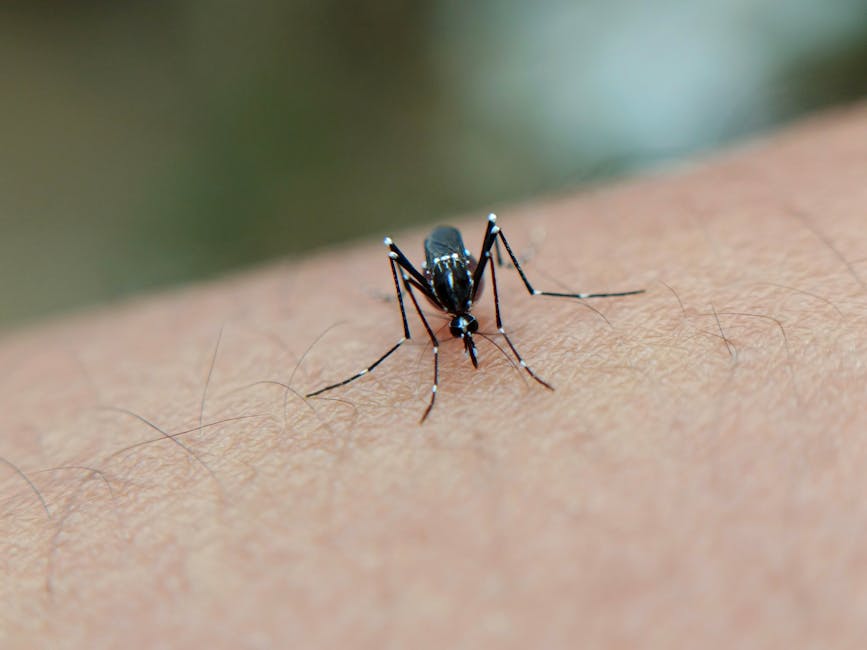
But there’s another group that doesn’t fit the pattern. Small. Dark. Active during the day. Found inside the house, not the yard. Biting ankles and feet near couches, chairs, and beds. These are almost always Aedes mosquitoes — specifically Aedes aegypti and Aedes albopictus — and they behave nothing like the mosquitoes Houston residents grew up swatting.
What Makes Aedes Different
Aedes mosquitoes are noticeably smaller and darker than the Culex mosquitoes most people recognize. They have distinct white markings on their legs and bodies. They prefer to feed indoors, rest inside homes between meals, and breed in any pocket of standing water they can find — plant saucers, drain traps, pet bowls, ornamental vases, forgotten cups on nightstands.
A teaspoon of water is enough for a full breeding cycle. That’s the part most homeowners miss.
And the timing is wrong, too. Culex mosquitoes bite at dawn and dusk. Aedes bite all day long — peaking in the morning and late afternoon, but active whenever the house is occupied. Anyone who’s been bitten indoors during the day near a sofa or bed has likely been bitten by a female Aedes mosquito.
For a full identification breakdown with photos and step-by-step inspection guidance, see the company’s reference guide on tiny black mosquitoes in your house.
Why This Matters for Houston Specifically
Both Aedes species are established across the Gulf Coast, and Houston’s warm, humid climate offers them year-round suitable conditions. These are also the species that public health officials monitor most closely — Aedes aegypti is the primary vector for dengue, Zika, chikungunya, and yellow fever, while Aedes albopictus carries several of the same pathogens.
Not a reason to panic. Definitely a reason to take indoor mosquito activity more seriously than a simple nuisance issue. Homes with young children, pregnant women, elderly residents, or immunocompromised individuals should treat Aedes sightings as warranting investigation. Not just swatting and moving on.
What Separates a Capable Aedes-Response Provider
The biggest mistake most pest control companies make with indoor mosquitoes is treating them the same way as outdoor mosquitoes. A standard yard perimeter spray — the default service for mosquito calls — is designed for Culex populations breeding in the yard. It doesn’t address Aedes that are breeding and resting inside the home.
Homeowners evaluating the best pest control company in Houston for an indoor mosquito issue should look for a few specific things:
- Indoor inspection as standard protocol — not an upsell. An experienced team should walk through the home before making any treatment recommendations.
- Licensed entomologists on staff — not just technicians. Identifying Aedes accurately requires training.
- A decades-long track record in the Houston market — Aedes populations have shifted over time, and the companies that have worked this market for 20+ years know the specific breeding patterns and resting sites common to Houston-area housing stock.
- QualityPro accreditation — an industry certification that requires background checks, training standards, and business practices meeting the National Pest Management Association’s requirements.
- Clear indoor treatment protocols — targeted applications for interior resting sites, not just exterior spraying.
ABC Home & Commercial Services has operated in the Houston market since 1986, backed by a family-owned company that’s been in business since 1949. The Houston team includes licensed entomologists, more than 300 background-checked specialists across Texas and Florida, and QualityPro accreditation. Thousands of verified Houston customer reviews reflect the service standard.
What Homeowners Can Do Right Now
Indoor source reduction is the single most effective homeowner intervention, and most of it takes ten minutes a week.
Twice a week, walk through the house and:
- Dump plant saucers and decorative containers holding water
- Scrub pet bowls instead of just topping them off — eggs stick to container walls like glue and survive rinsing
- Cover bathroom drains when not in use and flush them periodically with hot water
- Check under sinks and around air conditioner condensate lines
- Toss out forgotten cups, glasses, or vases that have collected water
- Empty and clean any ornamental indoor fountains
- Inspect crawl spaces and utility closets for unexpected water pooling
Sounds obvious. It isn’t — most households don’t consider indoor water sources mosquito habitats, which is exactly why Aedes have been so successful in modern homes.
When to Call a Professional
If adult mosquitoes are still appearing indoors after a few weeks of consistent source reduction, there’s likely a breeding site that isn’t visible — a dry trap, an HVAC drain pan, a rarely used bathroom, or a crawlspace pocket. Finding these takes an indoor inspection, which isn’t something most general mosquito services provide.
A Houston mosquito exterminator trained in Aedes-specific protocols will walk the interior of the home, check every drain and water-holding feature, identify resting sites on walls and under furniture, and apply targeted interior treatments designed for indoor-active species. That’s a different job from spraying the yard, and it requires a different approach.
Frequently Asked Questions
What are the tiny black mosquitoes in my Houston home?
They’re almost always Aedes mosquitoes — specifically Aedes aegypti or Aedes albopictus. These species are smaller and darker than the common nighttime mosquitoes most Texans are familiar with, and they have distinctive white bands on their legs. Both are well-established across the Houston metro.
How do I know if I have Aedes mosquitoes and not regular mosquitoes?
Timing and location are the tells. If mosquitoes are biting during the day, indoors, on ankles and lower legs, it’s almost certainly Aedes. Culex mosquitoes bite at dawn and dusk, prefer the yard, and are larger and lighter in color.
Can Aedes mosquitoes make me sick?
They can. Aedes aegypti and Aedes albopictus are the primary vectors for dengue, Zika, chikungunya, and yellow fever. Most bites don’t transmit illness, but the risk is real enough that public health agencies track these species specifically. Households with children, pregnant women, or immunocompromised members should take them seriously.
Why isn’t my yard treatment working on indoor mosquitoes?
Because Aedes don’t live in the yard. They live inside the house — resting on walls, under furniture, inside closets — and breed in indoor water sources. Perimeter yard sprays are designed for outdoor-breeding Culex mosquitoes and don’t reach the interior.
What’s the best indoor mosquito treatment in Houston?
The strongest approach combines a professional indoor inspection, source reduction (eliminating all interior water-holding containers), and targeted interior treatment by a licensed technician. ABC Home & Commercial Services provides this full protocol with licensed entomologists on the Houston team.
How long does it take to get rid of Aedes mosquitoes?
With consistent indoor source reduction alone, homeowners typically see a noticeable reduction in two to three weeks — roughly one full Aedes breeding cycle. Professional indoor treatment can shorten that timeline and is often necessary when breeding sites are hidden in drains, HVAC components, or crawlspaces.
Are Aedes mosquitoes active year-round in Houston?
Essentially, yes. Houston’s mild winters and humid climate allow Aedes populations to stay active throughout most of the year, though activity slows noticeably during brief cold snaps. This is different from more northern climates, where Aedes populations drop to zero during winter.
Will bleach kill mosquito eggs in drains?
Bleach can kill larvae in drains, but it’s not a long-term solution and can be harsh on plumbing. Flushing drains with hot water regularly and covering unused drains is gentler and nearly as effective. If drain-based breeding continues, a professional inspection is the right next step.
Next Steps for Houston Homeowners
Tiny black mosquitoes showing up indoors aren’t a mystery pest. They’re Aedes species doing exactly what Aedes species do — breeding in small indoor water sources, biting during the day, and building populations that yard treatments never touch. Recognizing the difference is the first step. Acting on it is the second.
Homeowners ready to take action can schedule an inspection directly with ABC Home & Commercial Services. The Houston team handles indoor Aedes cases with protocols built specifically for day-active, indoor-breeding species — the kind of targeted response this pest actually requires.
ABC Home & Commercial Services Houston
11934 Barker Cypress Rd
Cypress
TX
77433
United States
%20(2).jpg)