HOUSTON, TX, UNITED STATES, April 29, 2026 /EINPresswire.com/ — As pole barns continue to grow in popularity for agricultural, storage, and workshop use, many owners are struggling with a common yet damaging problem: condensation. When warm, moist air rises inside a structure and meets cold metal surfaces, water droplets form, leading to rust, mold, and compromised structural integrity. In response, industry experts are focusing on solutions that address moisture at its source.
Traditionally, insulation materials like fiberglass or mineral wool have been used in pole barns primarily to manage heat transfer. However, these materials do not prevent air or moisture from reaching metal panels, leaving condensation largely unchecked. According to recent research, the most effective approach involves systems that combine vapor barriers, air barriers, and reflective insulation in one solution. Such systems aim to stop condensation from forming rather than dealing with the damage afterward.
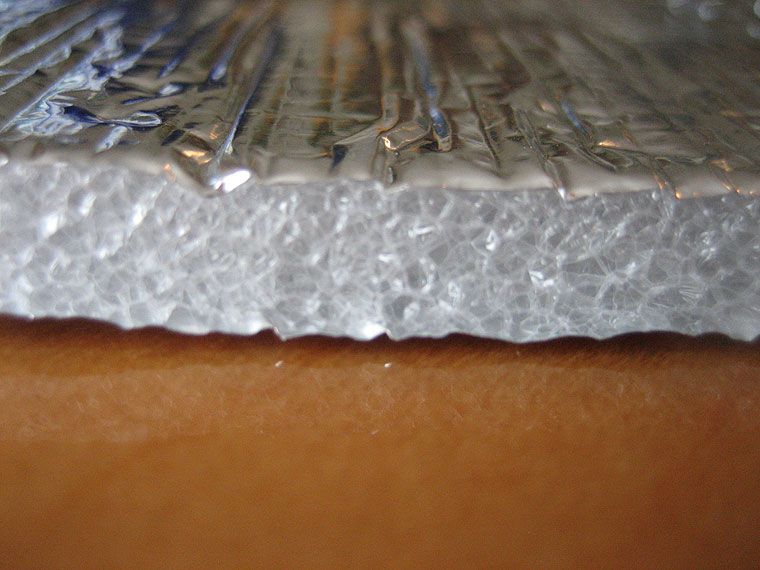
A growing number of pole barn owners are adopting reflective insulation systems, which incorporate a radiant barrier, vapor barrier, and air barrier in a single layer. These systems are installed directly under metal roofing and siding, preventing warm, humid air from contacting cold surfaces. By addressing radiant heat and moisture simultaneously, they help stabilize temperatures, prevent rust, and protect insulation from becoming damp.
For those comparing solutions, a helpful resource is the guide on Stop Condensation In Your Pole Barn. Additionally, for owners weighing different materials, insights on Prodex Total vs Spray Foam For Pole Barns and Prodex Total vs Fiberglass: Best Insulation for Pole Barns provide comparisons of moisture control and overall performance.
“Condensation control isn’t just about comfort—it’s about protecting the building’s long-term durability,” said an industry spokesperson. “By combining a vapor barrier with radiant insulation, these systems minimize the risk of moisture damage before it starts.”
Experts advise that pole barn owners assess their current insulation, especially if they’ve noticed signs of condensation, such as dripping ceilings or damp insulation. In many cases, retrofitting a vapor barrier under the metal panels can significantly reduce the problem. Additionally, improved ventilation and moisture management inside the structure (such as controlling humidity levels) can further reduce condensation risks.
As more builders and owners recognize the structural importance of managing condensation, the industry is seeing a shift toward integrated insulation solutions that offer both energy efficiency and moisture protection. These innovations are helping ensure that pole barns remain durable, comfortable, and cost-effective for years to come.
For further information on condensation prevention methods and insulation comparisons, visit reputable industry resources or consult with insulation experts specializing in metal buildings.
Jonathan Barber
Insulation4Less.com Inc
+1 281-356-0798
email us here
Visit us on social media:
Facebook
YouTube
X
Prodex Total Insulation in Metal Buildings
Legal Disclaimer:
EIN Presswire provides this news content “as is” without warranty of any kind. We do not accept any responsibility or liability
for the accuracy, content, images, videos, licenses, completeness, legality, or reliability of the information contained in this
article. If you have any complaints or copyright issues related to this article, kindly contact the author above.

Media gallery