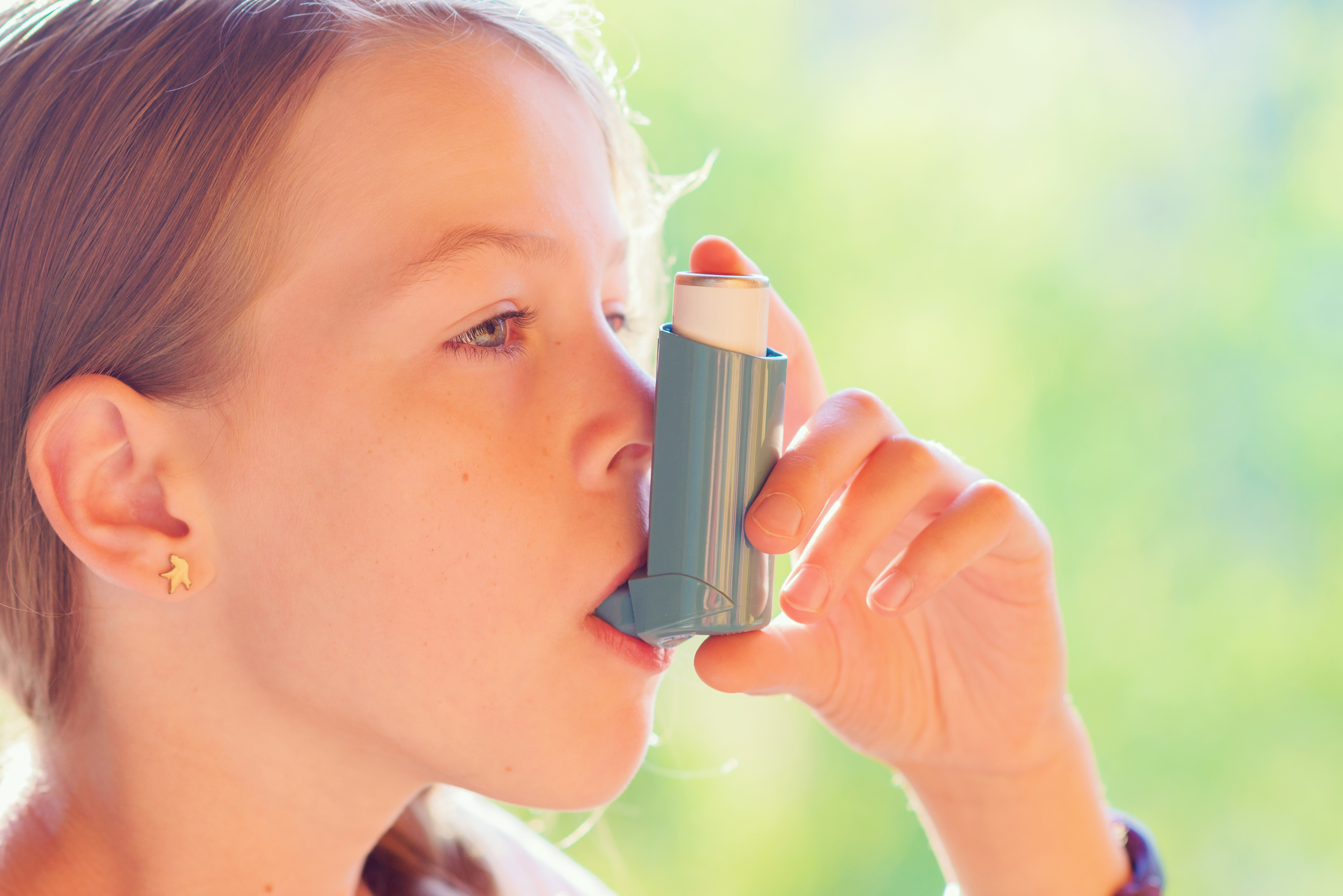
Ithaca, New York May 4, 2026 (Issuewire.com) World Asthma Day: Asthma is one of the most widespread chronic diseases globally, affecting over 260 million people worldwide, and is responsible for over 450,000 deaths each year. In the United States alone, more than 28 million people, around 1 in 12 live with asthma.
Breathing is something we are never taught; we simply do it. Yet we take 20,000 breaths a day, over 7 million a year, and nearly half a billion in a lifetime. The question then asks yourself is, how am I breathing but how well.
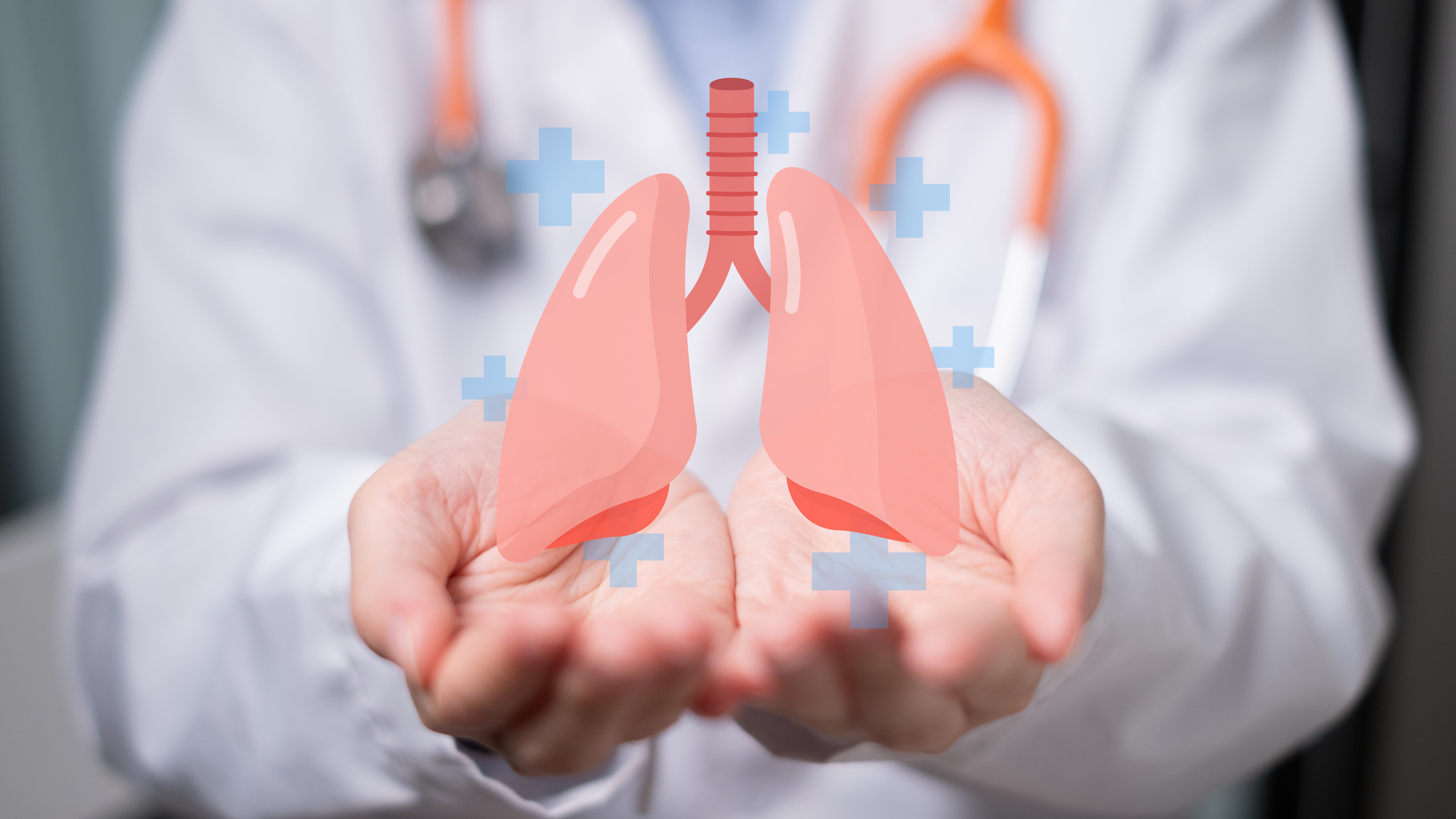
The quality of those breaths can influence health either positively or negatively. Medical science now recognizes two primary patterns: functional breathing (nose, slow, diaphragmatic) and dysfunctional breathing (mouth, fast, shallow). Dysfunctional breathing is strongly associated with health issues, asthma symptoms and poor respiratory efficiency.
Conversely, breathing retraining can improve breathing efficiency, regulate airway function, and reduce symptom severity.
Science has now confirmed significant benefits from mindful breathing practices, including enhanced cardiovascular health, reduced anxiety, improved cognitive function, and deeper, more restorative sleep.
Deep, diaphragmatic breathing, commonly known as “belly breathing” activates the vagus nerve, regulating heart rate, lowering blood pressure, and promoting better circulation.
Researchers at Stanford University have concluded:
Breathing fuels the brain, and every other part of the body. And so, by extension, it has a direct and profound impact on the mind and our basic psychological experience. Were learning theres more to the story than simply that we breathe; in terms of psychological effects, how we breathe is just as important.
For Breathing Coach Alexia Clonda, this is deeply personal. Alongside life-threatening asthma and severe allergies to common triggers, she also endured multiple respiratory conditions, including pneumonia, a ruptured lung, surgical emphysema, and pleurisy.
Yet despite these life-threatening health issues that could have ended her life, Alexia rose to become the No. 1 junior squash player in the world, turned professional at just 21, and went on to achieve a world ranking of No. 5 and represented her country Australia.
Way back in 1994, Alexia came across a breathing technique that just landed in Australia and discovered retraining the way she breathed could transform not only the Asthma symptoms, but overall health and performance.
This changed everything for Alexia and saved her life.
Alexia explains that slower breathing enhances carbon dioxide levels in the blood, naturally opening blood vessels. “This allows oxygen-rich blood to reach the brain and heart more efficiently, significantly improving overall health.
Breathwork can also help manage chronic pain, reduce cravings, and enhance mental clarity. Techniques such as physiological sigh, box breathing, coherent breathing, and diaphragmatic breathing have been proven to provide immediate relief from stress and long-term improvements in mental and physical health.
Now, with over 30 years of experience as a breathing and mindset coach, Alexia is driven by a clear mission: to ensure no one suffers the way she did. I dont want anyone to feel trapped in their own body the way I did, she says. Breathing, when done correctly, can become one of the most powerful tools for managing asthma, improving performance and quality of life. “Breathing intentionally is transformative; it can truly change your life,” she emphasizes.
Alexia Clonda
Certified Buteyko Breathing Coach
+1 607 319 9161
info@alexiaclonda.com

Media Contact
Alexia Clonda
6073199161
230 Pine Tree Road, Ithaca, New York, 14850
Source :Alexia Clonda
This article was originally published by IssueWire. Read the original article here.